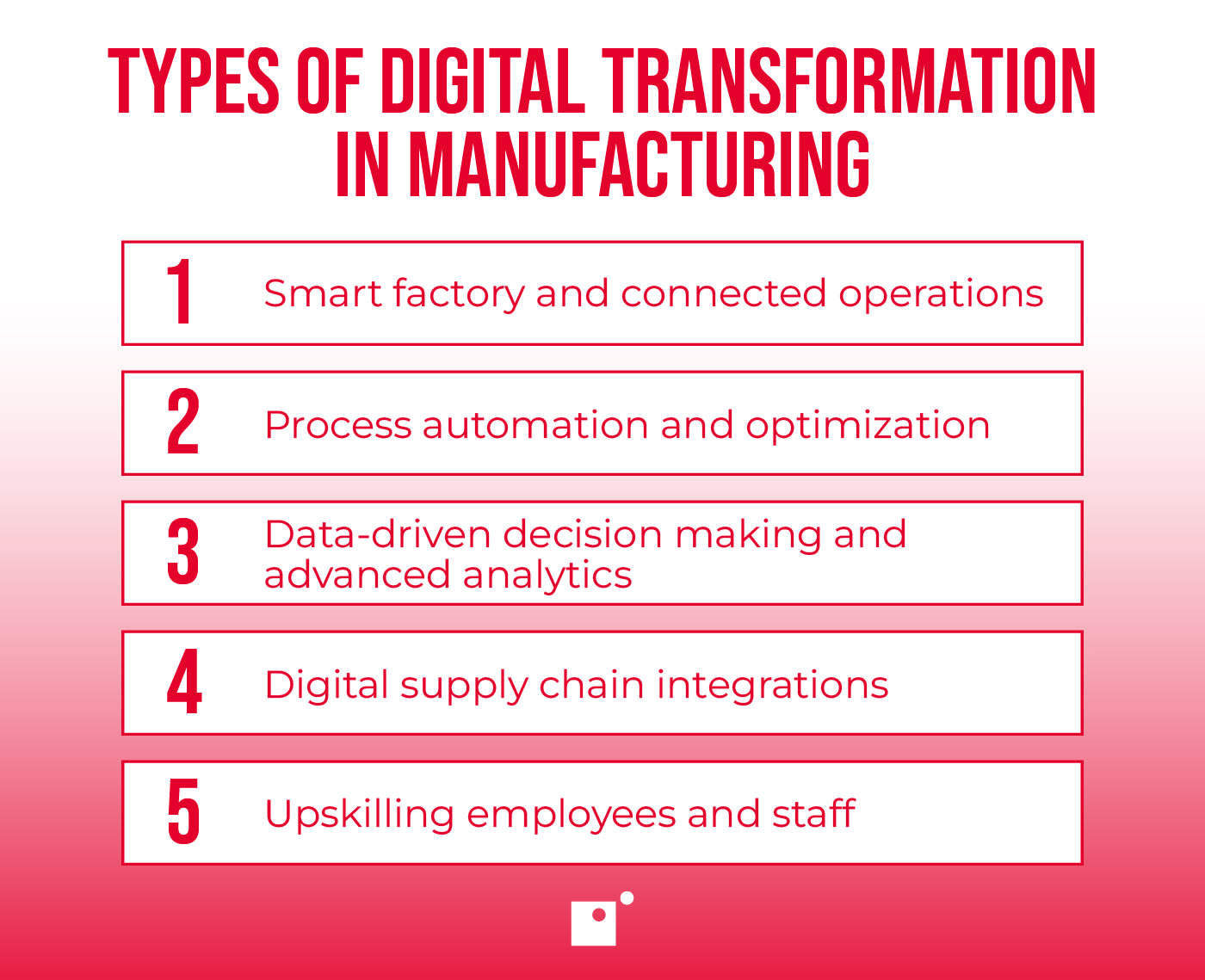
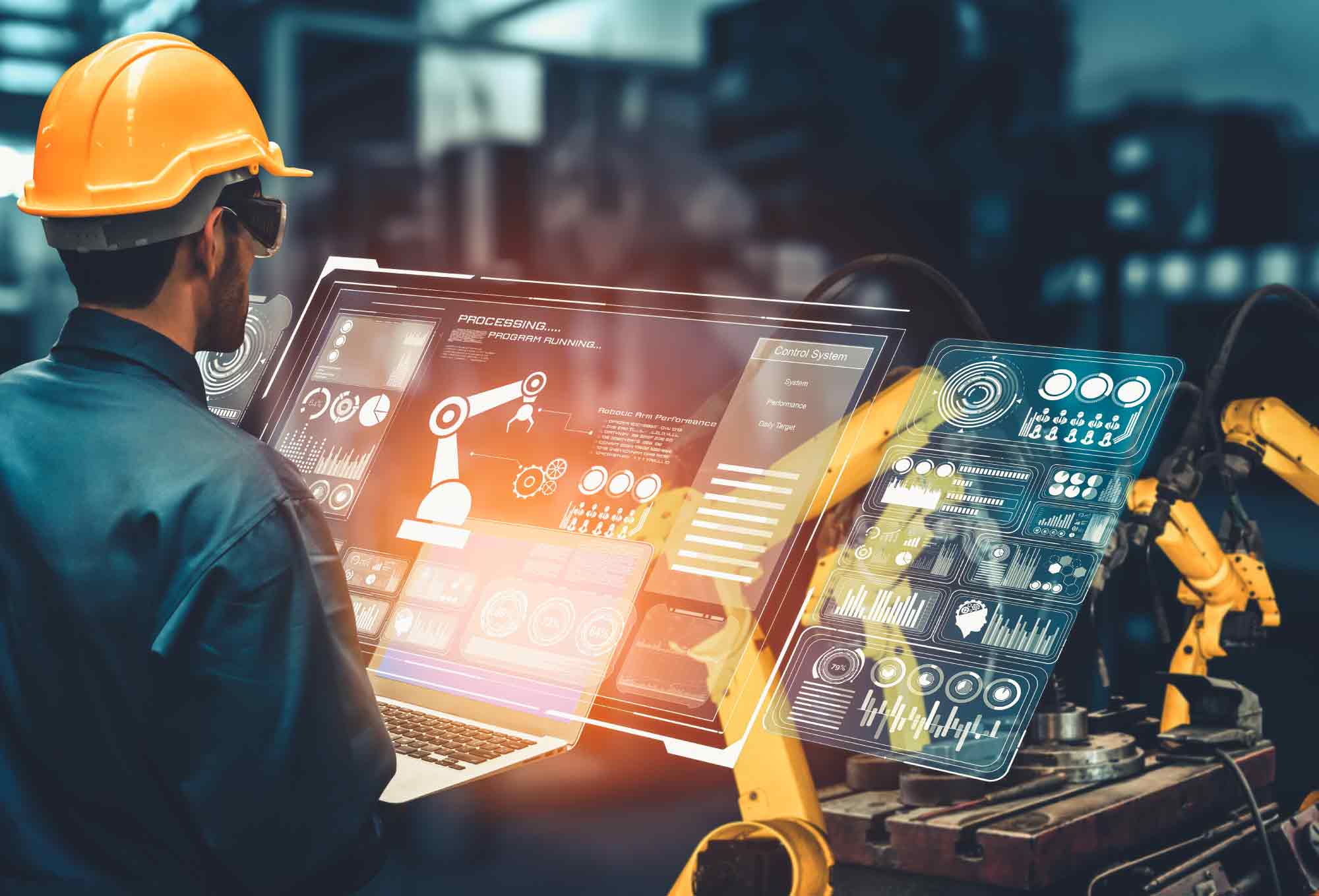
Manufacturers have always relied on innovation to remain competitive. From assembly lines and industrial robotics to computer-aided design and automated quality control, technology has continuously reshaped how products are designed, produced, and delivered.
Today, however, manufacturers face a new wave of disruption. Supply chain volatility, labor shortages, rising customer expectations, and increasing global competition are forcing organizations to rethink how they operate.
Digital transformation in manufacturing represents a strategic response to these challenges. By integrating digital technologies across production, operations, and business processes, manufacturers can gain greater visibility into their operations, improve efficiency, reduce costs, and make smarter decisions based on real-time data.
Yet digital transformation is about much more than implementing new software or upgrading equipment. Successful initiatives require organizations to connect people, processes, and technology in ways that create measurable business value.
Whether through smart factory initiatives, cloud-based platforms, artificial intelligence, or advanced analytics, manufacturers are increasingly leveraging digital tools to improve performance and position themselves for long-term growth.
Learn more about the importance of a modern IT strategy in Impact’s webinar, The Hidden Risk: IT Work Stealing Leadership's Focus.
What Is Digital Transformation in Manufacturing?
Digital transformation in manufacturing is the process of using digital technologies to improve, automate, and optimize manufacturing operations. It involves integrating modern tools and systems into production environments to create more connected, data-driven, and efficient workflows.
Historically, many manufacturing processes relied heavily on manual data entry, paper-based documentation, and disconnected systems. Information often existed in separate silos across production, inventory management, procurement, quality assurance, and maintenance teams. This fragmentation limited visibility and slowed decision-making.
Digital transformation seeks to eliminate these barriers by creating a connected ecosystem where information can move seamlessly throughout the organization.
Sensors collect operational data from equipment, cloud platforms centralize information, analytics tools identify trends, and automation technologies help execute processes with greater speed and accuracy.
The result is a manufacturing environment where leaders can monitor production performance in real time, predict equipment failures before they occur, improve product quality, and respond more quickly to changing business conditions.
While every organization's journey looks different, digital transformation often includes technologies such as:
- Industrial Internet of Things (IIoT)
- Cloud computing
- Enterprise resource planning (ERP) systems
- Artificial intelligence (AI)
- Machine learning
- Advanced analytics
- Robotics and automation
- Digital twins
- Cybersecurity platforms
Together, these technologies enable manufacturers to become more agile, efficient, and resilient.
Digitalization in Manufacturing Industry: Why It Matters
Digitalization in the manufacturing industry refers to the use of digital technologies to improve business operations and processes. While the terms "digitalization" and "digital transformation" are sometimes used interchangeably, digitalization is often considered a foundational step within a broader transformation strategy.
For example, replacing paper maintenance logs with a digital maintenance management platform is a form of digitalization. Connecting maintenance data, production schedules, inventory systems, and predictive analytics tools to create a proactive maintenance strategy represents digital transformation.
The importance of digitalization has grown significantly as manufacturing environments become increasingly complex. Manufacturers must manage larger volumes of operational data, maintain strict quality standards, and coordinate increasingly sophisticated supply chains. Without digital systems, these challenges become difficult to address efficiently.
Digitalization also enables organizations to respond faster to market changes. Real-time information provides greater visibility into inventory levels, production capacity, equipment performance, and customer demand. This allows leaders to make informed decisions based on current conditions rather than historical reports.
As competition continues to intensify, manufacturers that embrace digitalization often gain advantages in productivity, responsiveness, and operational efficiency.
The Role of IT in Manufacturing
Information technology serves as the foundation for modern manufacturing operations. While production equipment and machinery remain central to manufacturing processes, IT systems provide the infrastructure needed to collect, process, store, and share operational information.
Today's manufacturing environments generate massive amounts of data. Production equipment, quality systems, inventory platforms, customer applications, and supply chain tools all contribute valuable information that can support decision-making. IT enables organizations to transform this raw data into actionable insights.
Modern IT environments support a variety of critical manufacturing functions, including:
- Production planning
- Inventory management
- Quality assurance
- Supply chain coordination
- Asset management
- Workforce collaboration
- Business intelligence and reporting
Beyond operational support, IT also plays a crucial role in security and compliance. As manufacturers adopt connected technologies and industrial control systems, protecting operational technology (OT) environments becomes increasingly important.
Cybersecurity strategies must address both traditional business systems and manufacturing infrastructure to reduce operational risk.
As a result, IT is no longer viewed solely as a support function. It has become a strategic driver of innovation, efficiency, and competitive advantage.
Application of IT in Manufacturing
The application of IT in manufacturing extends across nearly every aspect of the production lifecycle. Modern manufacturers use technology to streamline operations, improve visibility, enhance quality, and support strategic decision-making.
One common application involves enterprise resource planning systems. ERP platforms centralize information from multiple business functions, allowing organizations to manage production schedules, inventory levels, procurement activities, and financial operations from a unified environment.
Manufacturers also rely on IT to support predictive maintenance initiatives. Sensors installed on equipment can continuously monitor operating conditions and identify potential issues before they lead to costly downtime.
Rather than relying solely on scheduled maintenance intervals, organizations can service equipment based on actual performance data.
Quality management is another area where IT delivers significant value. Automated inspection systems, machine vision technologies, and analytics platforms help manufacturers identify defects earlier in the production process. This reduces waste, improves consistency, and enhances customer satisfaction.
Supply chain management has also benefited from digital technologies. Manufacturers can track materials, monitor supplier performance, and improve demand forecasting using integrated platforms that provide end-to-end visibility.
Additional applications include:
- Warehouse automation
- Production monitoring
- Digital work instructions
- Energy management
- Product lifecycle management
- Customer relationship management
- Workforce scheduling
As digital capabilities continue to expand, manufacturers are finding new opportunities to improve operational performance through technology-driven initiatives.
Benefits of Digital Transformation in Manufacturing
Manufacturers invest in digital transformation because it delivers tangible business outcomes. While specific results vary by organization, successful initiatives often improve efficiency, reduce costs, strengthen decision-making, and enhance overall competitiveness.
Improved Operational Efficiency
Connected systems eliminate many of the manual processes that slow production environments. Automated workflows reduce administrative burdens, improve information sharing, and help employees focus on higher-value activities.
Real-time monitoring also allows teams to identify bottlenecks and inefficiencies more quickly, enabling continuous operational improvements.
Reduced Downtime
Equipment failures can create significant disruptions across manufacturing operations. Predictive maintenance solutions use sensor data and analytics to identify potential problems before breakdowns occur.
By addressing issues proactively, manufacturers can reduce unplanned downtime, extend equipment life, and improve production reliability.
Better Data-Driven Decision-Making
Digital transformation provides leaders with access to timely, accurate information. Instead of relying on historical reports or manual data collection, organizations can leverage dashboards and analytics platforms to monitor performance in real time.
This visibility supports faster and more informed decision-making across the business.
Enhanced Product Quality
Digital quality management tools help manufacturers maintain consistent standards throughout production processes. Automated inspections and advanced analytics can identify deviations early, reducing defects and minimizing rework.
Higher quality products lead to stronger customer satisfaction and improved brand reputation.
Greater Supply Chain Visibility
Supply chain disruptions can have significant impacts on production schedules and customer commitments. Digital technologies provide greater transparency into supplier performance, inventory levels, and logistics operations.
Improved visibility helps manufacturers respond more effectively to changing market conditions and potential disruptions.
Increased Agility
Modern manufacturers must adapt quickly to evolving customer demands, economic conditions, and competitive pressures. Digital transformation enables organizations to adjust production schedules, allocate resources, and implement process changes with greater speed and flexibility.
This agility can become a significant competitive advantage in rapidly changing markets.
Challenges of Digital Transformation in Manufacturing
While the benefits of digital transformation can be substantial, implementation is rarely without obstacles. Manufacturers often face technical, operational, and organizational challenges that can slow progress or derail initiatives if not properly addressed.
Understanding these challenges can help organizations develop more effective transformation strategies and improve their chances of long-term success.
Legacy Systems and Infrastructure
Many manufacturers still rely on aging equipment and legacy software systems that were not designed to support modern digital technologies. Integrating new platforms with existing infrastructure can be complex, time-consuming, and costly.
In some cases, organizations may need to replace outdated systems entirely. In others, they may pursue phased modernization efforts that allow them to maintain operations while gradually introducing new capabilities.
A comprehensive assessment of existing technology environments is often the first step toward identifying integration opportunities and potential roadblocks.
Cybersecurity Risks
As manufacturing environments become more connected, their attack surfaces expand. Industrial control systems, connected devices, cloud platforms, and remote access technologies can all introduce new security risks.
Cyberattacks against manufacturers have increased significantly in recent years, with ransomware, supply chain attacks, and intellectual property theft representing ongoing concerns.
Successful digital transformation initiatives should incorporate cybersecurity from the beginning rather than treating it as an afterthought. Organizations should implement strong access controls, network segmentation, continuous monitoring, and incident response planning to help protect both IT and operational technology environments.
Workforce Resistance and Skills Gaps
Technology alone does not drive transformation. People play an equally important role.
Employees may be hesitant to adopt new systems, particularly if they are accustomed to long-standing processes and workflows. At the same time, many manufacturers struggle to find professionals with expertise in cloud computing, cybersecurity, analytics, automation, and artificial intelligence.
Organizations can address these challenges by clearly communicating the purpose of transformation initiatives, involving employees throughout the process, and investing in workforce development programs that support technology adoption.
Data Quality and Management
Digital transformation depends on accurate, reliable data. Unfortunately, many manufacturers operate with inconsistent, incomplete, or fragmented information spread across multiple systems.
Poor data quality can undermine analytics initiatives, limit visibility, and reduce confidence in decision-making.
Developing data governance policies, standardizing information across systems, and establishing clear ownership of critical business data can help organizations maximize the value of their digital investments.
Budget Constraints and ROI Concerns
Digital transformation often requires significant investment in software, hardware, infrastructure, consulting services, and internal resources.
Manufacturing leaders may struggle to justify expenditures if expected outcomes are unclear or difficult to measure.
One way to overcome this challenge is by prioritizing projects that address specific business objectives. Rather than attempting a large-scale transformation all at once, organizations can focus on initiatives that deliver measurable improvements in efficiency, productivity, quality, or cost reduction.
Top Digital Transformation Trends in Manufacturing
Technology continues to evolve rapidly, creating new opportunities for manufacturers to improve operations and gain competitive advantages. While transformation priorities vary by organization, several trends are shaping the future of the industry.
Artificial Intelligence and Machine Learning
Artificial intelligence is becoming increasingly valuable across manufacturing operations. AI-powered systems can analyze large volumes of operational data, identify patterns, generate forecasts, and automate decision-making processes.
Manufacturers are using AI to improve demand forecasting, optimize production schedules, detect quality issues, and support predictive maintenance programs.
As AI capabilities continue to mature, organizations will gain access to even more sophisticated tools for improving efficiency and operational performance.
Smart Factories
The smart factory concept continues to gain momentum throughout the manufacturing sector. Smart factories use interconnected systems, sensors, automation technologies, and analytics platforms to create highly responsive production environments.
Rather than operating as isolated processes, production systems continuously share information that helps organizations monitor performance, identify inefficiencies, and optimize operations in real time.
These connected environments provide manufacturers with greater visibility, flexibility, and control.
Digital Twins
Digital twins are virtual representations of physical assets, equipment, processes, or entire facilities. These digital models allow manufacturers to simulate performance, test changes, and analyze potential outcomes before implementing modifications in the real world.
Digital twin technology can support product design, maintenance planning, operational optimization, and risk reduction efforts.
As computing power and data collection capabilities continue to improve, digital twins are expected to play an increasingly important role in manufacturing innovation.
Industrial Internet of Things (IIoT)
Industrial IoT devices collect and transmit data from equipment, machines, and production environments. This continuous flow of information helps manufacturers gain deeper visibility into operations and improve decision-making.
IIoT technologies support a wide range of use cases, including:
- Equipment monitoring
- Predictive maintenance
- Asset tracking
- Energy management
- Quality control
- Production optimization
The ability to gather and analyze real-time operational data remains one of the most important drivers of digital transformation.
Edge Computing
Manufacturing environments often require rapid decision-making that cannot tolerate delays caused by transmitting data to centralized cloud environments.
Edge computing addresses this challenge by processing data closer to the source. Instead of sending all information to remote servers, edge devices can analyze data locally and take immediate action when necessary.
This approach can improve response times, reduce bandwidth requirements, and support mission-critical manufacturing operations.
Increased Focus on Cybersecurity
As manufacturers adopt more connected technologies, cybersecurity is becoming a core component of digital transformation strategies.
Organizations are increasingly investing in security monitoring, threat detection, identity management, and operational technology protection to reduce risk and maintain business continuity. This has made cybersecurity services in manufacturing especially important for companies looking to protect both modern IT systems and plant-floor operations.
Rather than viewing cybersecurity as a separate initiative, leading manufacturers are integrating security considerations into every stage of their digital transformation efforts.
Sustainability and Energy Optimization
Sustainability goals are influencing technology investments across the manufacturing sector. Organizations are leveraging digital tools to monitor energy consumption, reduce waste, optimize resource utilization, and improve environmental performance.
Advanced analytics platforms can help manufacturers identify inefficiencies and support initiatives that reduce operating costs while advancing sustainability objectives.
As environmental reporting requirements continue to evolve, digital technologies will play an increasingly important role in helping manufacturers meet compliance and sustainability goals.
How Manufacturers Can Build a Successful Digital Transformation Strategy
Digital transformation is not a single project. It is an ongoing process that requires strategic planning, organizational alignment, and continuous improvement.
While every organization's journey will be unique, several best practices can help manufacturers maximize their chances of success.
Start With Business Goals
Technology should support business objectives rather than drive them.
Before investing in new solutions, manufacturers should identify the operational challenges they want to solve and the outcomes they hope to achieve. Whether the goal is reducing downtime, improving quality, increasing throughput, or strengthening supply chain visibility, clear objectives help guide decision-making throughout the transformation process.
Assess Existing Systems and Processes
A comprehensive evaluation of current technology, workflows, and operational performance provides valuable insight into opportunities for improvement.
Organizations should identify inefficiencies, data silos, security risks, and infrastructure limitations that may impact future initiatives.
This assessment establishes a baseline that can help prioritize investments and measure progress over time.
Prioritize High-Impact Initiatives
Attempting to transform every aspect of the organization simultaneously can create unnecessary complexity.
Many successful manufacturers begin with targeted projects that address specific business needs and generate measurable results. Early successes can help build momentum, secure stakeholder support, and justify additional investments.
Strengthen Cybersecurity
Every new connected device, application, or platform introduces potential security considerations.
Manufacturers should evaluate cybersecurity requirements throughout the planning and implementation process. Security controls, monitoring capabilities, access management policies, and incident response procedures should be incorporated into transformation initiatives from the outset.
Invest in Employee Adoption
Technology adoption often determines whether a transformation initiative succeeds or fails.
Employees need to understand how new systems will improve their work and support organizational goals. Providing training, gathering feedback, and involving key stakeholders throughout the implementation process can help reduce resistance and encourage long-term adoption.
Measure Results and Continuously Improve
Digital transformation is not a one-time event. Manufacturers should establish key performance indicators that align with business objectives and regularly evaluate progress.
Tracking metrics such as equipment uptime, production efficiency, quality performance, inventory accuracy, and operating costs can help organizations identify successes and uncover opportunities for further optimization.
Real-World Examples of Digital Transformation in Manufacturing
Digital transformation is delivering measurable results across the manufacturing sector. Organizations of all sizes are leveraging technology to improve efficiency, strengthen operations, and enhance competitiveness.
One common example involves predictive maintenance programs powered by IoT sensors and analytics platforms. Rather than waiting for equipment to fail, manufacturers can monitor machine performance continuously and schedule maintenance activities before breakdowns occur.
This approach helps reduce downtime, extend equipment life, and improve production reliability.
Another example can be found in smart factory initiatives.
By connecting production equipment, quality systems, and enterprise platforms, manufacturers gain real-time visibility into operations. Leaders can monitor performance across facilities, identify bottlenecks more quickly, and make informed decisions based on current operating conditions.
Manufacturers are also using artificial intelligence to improve quality control processes. Machine vision systems can inspect products at speeds and levels of consistency that are difficult to achieve through manual inspection alone. These technologies help identify defects earlier, reduce waste, and improve customer satisfaction.
Supply chain modernization represents another major area of transformation. Digital platforms enable organizations to track inventory, monitor supplier performance, and improve forecasting accuracy. Increased visibility helps manufacturers respond more effectively to disruptions and changing customer demand.
While technologies vary from organization to organization, the common theme remains the same: successful manufacturers use digital tools to gain better visibility, improve decision-making, and operate more efficiently.
Wrapping Up on Digital Transformation in Manufacturing
Digital transformation in manufacturing is no longer a future consideration. It has become a critical business strategy for organizations seeking to improve efficiency, strengthen resilience, and remain competitive in an increasingly complex marketplace.
From cloud platforms and artificial intelligence to smart factories and Industrial IoT, digital technologies are helping manufacturers gain deeper operational visibility, reduce costs, improve quality, and respond more effectively to changing market conditions.
At the same time, successful transformation requires more than implementing new technologies. Manufacturers must align technology investments with business goals, address cybersecurity risks, support employee adoption, and establish a culture of continuous improvement. For many organizations, managed services for manufacturers can provide the ongoing support needed to maintain systems, strengthen security, and keep digital initiatives moving forward.
Organizations that take a strategic approach to digital transformation will be better positioned to navigate future challenges, capitalize on emerging opportunities, and build more agile, data-driven manufacturing operations for years to come.
Learn more about the value of a comprehensive IT strategy in Impact’s webinar, The Hidden Risk: IT Work Stealing Leadership's Focus.