A quality managed service provider will have an IT expert who is assigned to oversee your strategy. Learn about what a vCIO can do for you in our video.
Blog Post
7 minute read
Jun 08, 2026
vCIO stands for Virtual Chief Information Officer. As such, the vCIO is a person who provides the same consultation and covers the same responsibilities as an in-house Chief Information Officer would, they just do it virtually.
Because they operate remotely and as a third party, vCIO’s are becoming a popular solution for organizations who want to address cybersecurity more seriously without investing the resources needed to build a full-scale and in-house cybersecurity team.
Much like an in-person CIO, a vCIO oversees their client’s entire IT infrastructure, ensuring everything in a business’ network is running smoothly.
Embracing the digital era is a must for modern businesses looking to remain competitive but it’s not always clear which technologies belong in your processes and operations. Especially when there are seemingly endless options, and everyone claims their solutions are the best solutions.
A vCIO, however, can guide your team through the maze of IT and help you choose a tech stack that’s specifically tailored to your organization’s unique needs.
Implementing modern technology is a must for organizations who are looking to stay relevant and competitive in the digital era. Learn more about integrating tech-based solutions in Impact’s Webinar, How to Identify High-Value Opportunities for Innovation.
Key Expectations of a Quality vCIO
It’s important to realize that the role of a vCIO varies significantly between one managed service provider to another. In other words, not all vCIO’s are created equal.
Understanding what a high-quality partnership with a vCIO looks like, and what sort of expectations you should set for your vCIO is vital to making the most out of that relationship. For instance, you don’t want a vCIO whose main priority is to sell as many solutions as they can.
Rather, you’d be better off with a specified set of solutions that are catered to your specific needs. Arriving at a custom solution like that, though, takes a dedication to learning the ins and outs of your operations.
Here are some of the other key advantages of having a high-quality vCIO as part of your organization:
A quality vCIO serves as a reliable point of contact for technological expertise within your organization.
In order to avoid disparate technology initiatives or failed integrations, the relationship between the decision maker and the vCIO should be strong, productive, and personal.
Establishing a regular schedule with your vCIO for check-ins, updates, and solution-engineering is a good way to build trust between decision makers, stakeholders, and the vCIO. By embracing a vCIO as a core member of your team, you can fold them into your operations and develop a truly proactive relationship where everyone’s work is aligned toward the same goal.
2. Technical Reporting for the Client
Technical reporting is a major aspect of the vCIO’s role, and is a good time to assess, reflect, and take action on the changing goals of your organization. This type of reporting and reflecting typically takes place on a quarterly basis.
These reports mean you are able to assess a number of important areas:
Compliance needs
Near- and long-term IT projects and expenses
Support metrics and satisfaction scores
Completed and in-flight projects
Relationship health and partnership alignment
The vCIO is the bridge between your business and the technology teams powering your digital transformation.
The vCIO acts as the bridge between your business and the technology teams powering your digital transformation. This makes it even more important to have frequent and comprehensive reports on the progress of your infrastructure and to have actionable data available to determine your future goals.
3. Defines IT Objectives and Plans the Technology Roadmap
Planning for your organization’s technological future is an essential part of what makes a vCIO such a valuable part of your business’ digital transformation moving forward.
The IT Consultation provided by the vCIO helps determine the direction and perspective implementations for your organization in the long-term. This can help guide decision makers into more informed choices that better suit the needs of the organization.
This means the vCIO should be able to answer questions about your technology suite involving issues such as:
Intellectual property protection
Disaster recovery
Employee on-boarding
Cybersecurity training
They are able to recommend and maintain vendor relationships for your productivity and line-of-business application suites and verify compatibility between vendors and the existing or planned IT infrastructure.
A good vCIO is proactive and plans proposals for new projects to improve the business’ long-term prospects, and defines these objectives based on your needs and your budget. A high-quality vCIO will also be focused on providing you with a strong recommendation framework which is consistently modified as goals and objectives evolve.
4. The Cost Factor
Let’s not forget one of the most important considerations decision-makers are taking into account regarding their digital transformation: expenditure.
While many IT budgets are expanding this year, not every organization has the spending power to hire a full in-house IT team directed by a CIO. However, the need for modern and high-quality technology is only becoming more and more persistent.
Partnering with a vCIO can be an excellent way for an organization to meet its IT infrastructure and technology objectives without investing the time and resources in a fully staffed in-house IT team.
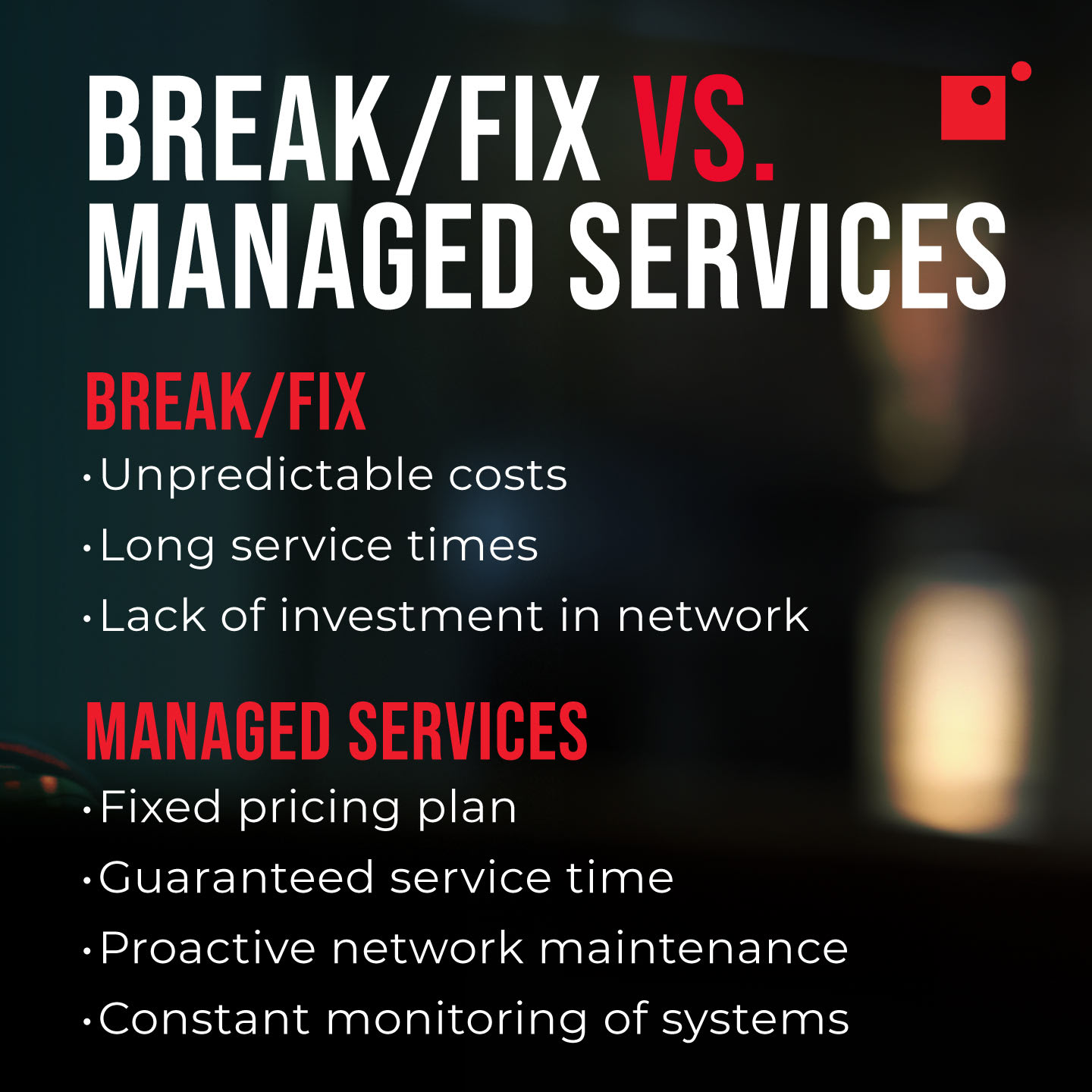
This is one of the major advantages of partnering with a managed service provider that can provide vCIO services at a predictable monthly cost.
The Way AI Is Influencing vCIO Work
AI is reshaping the vCIO role from steady-state technology oversight into something far more dynamic. Instead of spending most of their time interpreting reports or reacting to issues, vCIOs are increasingly using AI to surface insights, model scenarios, and guide smarter decisions across the business.
One of the most immediate shifts is in strategic planning. AI-powered analytics tools can ingest financials, usage data, security signals, and operational metrics to identify patterns that would otherwise take weeks to uncover. That allows vCIOs to move conversations with leadership away from “what happened” and toward “what’s likely to happen next” and “what we should do about it.”
AI is also changing how vCIOs approach risk and governance. Rather than relying on periodic audits or static policies, many teams now use AI-driven monitoring to spot anomalies, flag compliance gaps, and prioritize remediation in real time. This doesn’t replace human judgment, but it gives vCIOs a clearer, faster view of where attention is actually needed.
Key areas where AI is showing up in day-to-day vCIO work include:
Proactive infrastructure management: Predictive models help forecast capacity needs, performance bottlenecks, and hardware refresh cycles before they become problems.
Smarter budgeting and ROI analysis: AI can simulate the financial impact of technology investments, helping vCIOs justify spend with data rather than intuition.
Enhanced security posture: Machine learning-based threat detection improves response times and reduces alert fatigue by focusing on high-confidence risks.
Vendor and tool rationalization: Usage and overlap analysis makes it easier to identify redundant platforms and optimize the stack.
Perhaps most importantly, AI is pushing vCIOs into a more advisory-first mindset. As automation handles more of the analysis and monitoring, the real value shifts to interpretation, alignment, and communication. The vCIO becomes less of a translator of technical detail and more of a strategic partner who can connect technology decisions directly to business outcomes.
Wrapping Up on the vCIO Role
By onboarding a Virtual Chief Information Officer, your team gets all the benefits of having an in-house CIO without the need to build a full in-house IT team that can manage your entire tech stack from top to bottom.
On top of that, vCIO’s will help your business look into the future of business technology and plan for both continual improvement and new tech implementation. If you know your company needs help catching up to the technological standards of the modern consumer, a vCIO might be just the person yo need to bring on.
When you don’t have to worry about the business technology your company relies on, you and your staff can focus on the bringing the big ideas of your organization into reality.
Andrew Mancini is a Content Writer for Impact's in-house marketing team, where he plans content for the Impact insights hub, manages the publication schedule, drafts articles, Q&As, interview narratives, case studies, video scripts, and other content with SEO best practices. He is also the main contributor on a monthly cybersecurity news series, The Security Report, researching stories, writing the script, and delivering the report on camera.