Winning more work takes more than delivering quality projects. In the construction industry, companies must also find ways to increase their visibility, build trust with potential clients, and stay top of mind throughout the buying process.
A strategic marketing approach helps construction firms do exactly that. It creates opportunities to showcase expertise, differentiate from competitors, and connect with the audiences most likely to need your services. Whether your goal is entering a new market, expanding a service line, or generating a more consistent flow of leads, effective marketing can help support long-term business growth.
This guide explores the key elements of a successful construction marketing strategy and five essential tactics that can help your company attract qualified opportunities, strengthen client relationships, and build a stronger brand.
Learn more about the effects a comprehensive marketing strategy can have on your business in Impact's webinar, Scientific Marketing: Transforming Bold Ideas Into Bottom-Line Results.
Five Essential Marketing Tactics
A strong marketing strategy provides the foundation for growth, but turning that strategy into results requires the right execution. By leveraging a mix of proven marketing tactics, construction companies can increase visibility, strengthen credibility, and generate more qualified opportunities.
2. Conduct Market Research
Before investing in marketing, construction firms need a clear understanding of their market. Effective market research helps you identify the types of projects that offer the most growth potential, understand how competitors position themselves, and uncover what prospective clients value most when selecting a contractor.
Start by reviewing your current client base. Look for patterns among your most profitable projects, including industry verticals, project size, geography, and client demographics. These insights can help you determine where to concentrate your marketing efforts and which opportunities are most likely to generate strong returns.
It's also important to evaluate your competitive landscape. Review competitors' websites, social media profiles, project portfolios, and customer reviews to identify gaps in the market. Understanding where competitors excel—and where they fall short—can reveal opportunities to differentiate your company.
In addition, gather feedback directly from clients, prospects, and referral partners. Surveys, interviews, and post-project reviews can provide valuable insights into the factors that influence purchasing decisions, from reputation and experience to communication and responsiveness.
By combining internal performance data with external market intelligence, construction companies can make informed marketing decisions, develop stronger messaging, and focus resources on the audiences most likely to convert.
3. Get Your Messages Where It Matters
Even the strongest value proposition won't drive results if it doesn't reach the right audience. Effective construction marketing focuses on connecting with decision-makers where they research vendors, evaluate partners, and seek industry expertise.
Start by identifying the channels your target clients use throughout the buying process. Depending on your market, this may include local search, trade publications, industry associations, networking events, or relationships with architects, engineers, and developers who influence project decisions.
Digital channels such as your website, email marketing, paid search, and social media can further strengthen visibility and credibility.
Consistency across these touchpoints is critical. Whether a prospect discovers your company through a referral, an online search, or an industry event, they should encounter the same core message about your expertise, capabilities, and ideal project types.
By focusing on the channels that matter most to your audience and reinforcing a clear value proposition, construction companies can build brand recognition, generate qualified leads, and stay top of mind when new opportunities arise.
4. Design the Client Journey
Generating awareness is only part of the equation. To turn prospects into customers, construction companies need a clear path that guides potential clients from their first interaction with your brand to signing a contract and, ultimately, becoming a repeat customer or referral source.
Start by mapping the key stages of the buyer's journey. For many construction firms, this includes initial research, evaluating potential contractors, requesting proposals, selecting a partner, and completing the project. Understanding how prospects move through these stages can help identify opportunities to build trust and remove friction.
At each touchpoint, consider what information clients need to make a confident decision. Project portfolios, testimonials, certifications, safety records, and transparent communication can all help reinforce credibility throughout the evaluation process. The goal is to make it as easy as possible for prospects to understand your capabilities and take the next step.
The client journey should extend beyond project completion as well. Regular follow-ups, customer satisfaction surveys, referral programs, and ongoing relationship management can help generate repeat business and word-of-mouth referrals.
When every stage of the customer experience is intentionally designed, construction companies can create stronger relationships, improve conversion rates, and maximize the lifetime value of every client.
5. Collect Data & Refine
A successful marketing strategy is never static.
As market conditions, customer preferences, and business goals evolve, construction companies should regularly evaluate performance and make adjustments based on real-world results.
Start by tracking key metrics that align with your objectives. Depending on your goals, this may include website traffic, lead volume, proposal requests, conversion rates, customer acquisition costs, and revenue generated from marketing efforts. Monitoring these indicators can help you identify which tactics are driving meaningful business outcomes and which may require improvement.
Just as important is gathering qualitative feedback from clients and prospects. Understanding why leads convert, where opportunities stall, and what customers value most can provide insights that metrics alone may miss. Combining performance data with customer feedback creates a more complete picture of what's working.
By continuously measuring results, testing new approaches, and refining your strategy, construction companies can improve marketing efficacy over time, maximize return on investment, and stay competitive in a changing industry.
The Power of Content Marketing in Construction
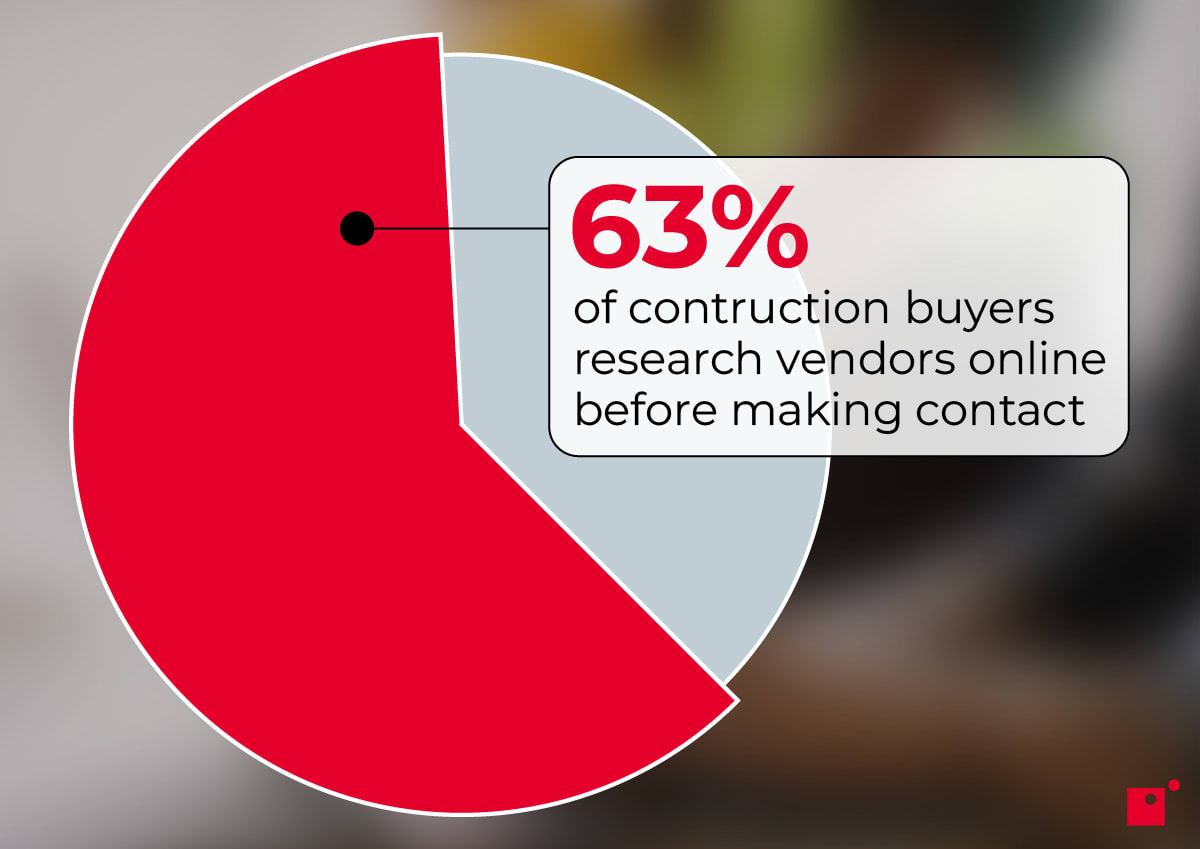
Construction projects often involve significant investments, long sales cycles, and multiple decision-makers. As a result, prospective clients typically spend time evaluating potential partners before reaching out.
Content marketing helps construction companies build trust during this research process by demonstrating expertise, showcasing past successes, and answering common questions before a sales conversation begins.
Unlike traditional advertising, content marketing focuses on providing value to your audience. By sharing relevant insights and project experiences, construction firms can establish credibility and remain top of mind when new opportunities arise.
This approach is particularly effective in an industry where reputation and proven experience play a major role in purchasing decisions.
- Effective construction content can take many forms, including:
- Project spotlights that showcase completed work and measurable results
- Case studies that highlight challenges, solutions, and outcomes
- Service pages that explain capabilities and areas of expertise
- Client testimonials and success stories
- Videos, photos, and virtual project tours
Industry insights that demonstrate knowledge of construction trends and best practices
Content marketing also supports other channels within your strategy. High-quality content can improve search visibility, strengthen email campaigns, increase engagement on social media, and provide valuable resources for prospects evaluating your company.
When executed consistently, content marketing helps construction businesses attract qualified leads, build stronger client relationships, and differentiate themselves in competitive markets.
Benefits of a Comprehensive Marketing Strategy
A comprehensive marketing strategy helps construction companies create a more predictable path to growth. Rather than relying solely on referrals or repeat business, it enables firms to increase visibility, attract qualified leads, and build stronger relationships with prospective clients.
When marketing efforts are aligned around clear goals, consistent messaging, and measurable outcomes, construction businesses can:
- Increase brand awareness in target markets
- Generate more qualified leads and opportunities
- Differentiate themselves from competitors
- Strengthen credibility and trust with prospects
- Improve customer retention and referral generation
- Make more informed business decisions through performance data
Ultimately, a well-executed marketing strategy helps construction companies build a sustainable pipeline of opportunities, supporting both short-term growth and long-term success.
Wrapping Up on Marketing Strategies for Construction Companies
Effective marketing helps construction companies do more than generate leads—it builds visibility, strengthens credibility, and creates a steady pipeline of opportunities. By understanding your market, reaching the right audience, creating a seamless client journey, and refining your approach over time, you can position your business for sustainable growth.
Content marketing supports these efforts by showcasing your expertise, highlighting successful projects, and building trust with prospective clients before they ever make contact. Combined with consistent messaging and data-driven decision-making, it can help your company stand out in a competitive market.
The most successful construction firms take a proactive, strategic approach to marketing. With the right plan in place, you can attract better opportunities, strengthen client relationships, and support long-term business growth.
Learn more about the benefits that marketing services can provide your business in Impact's webinar, Scientific Marketing: Transforming Bold Ideas Into Bottom-Line Results.